


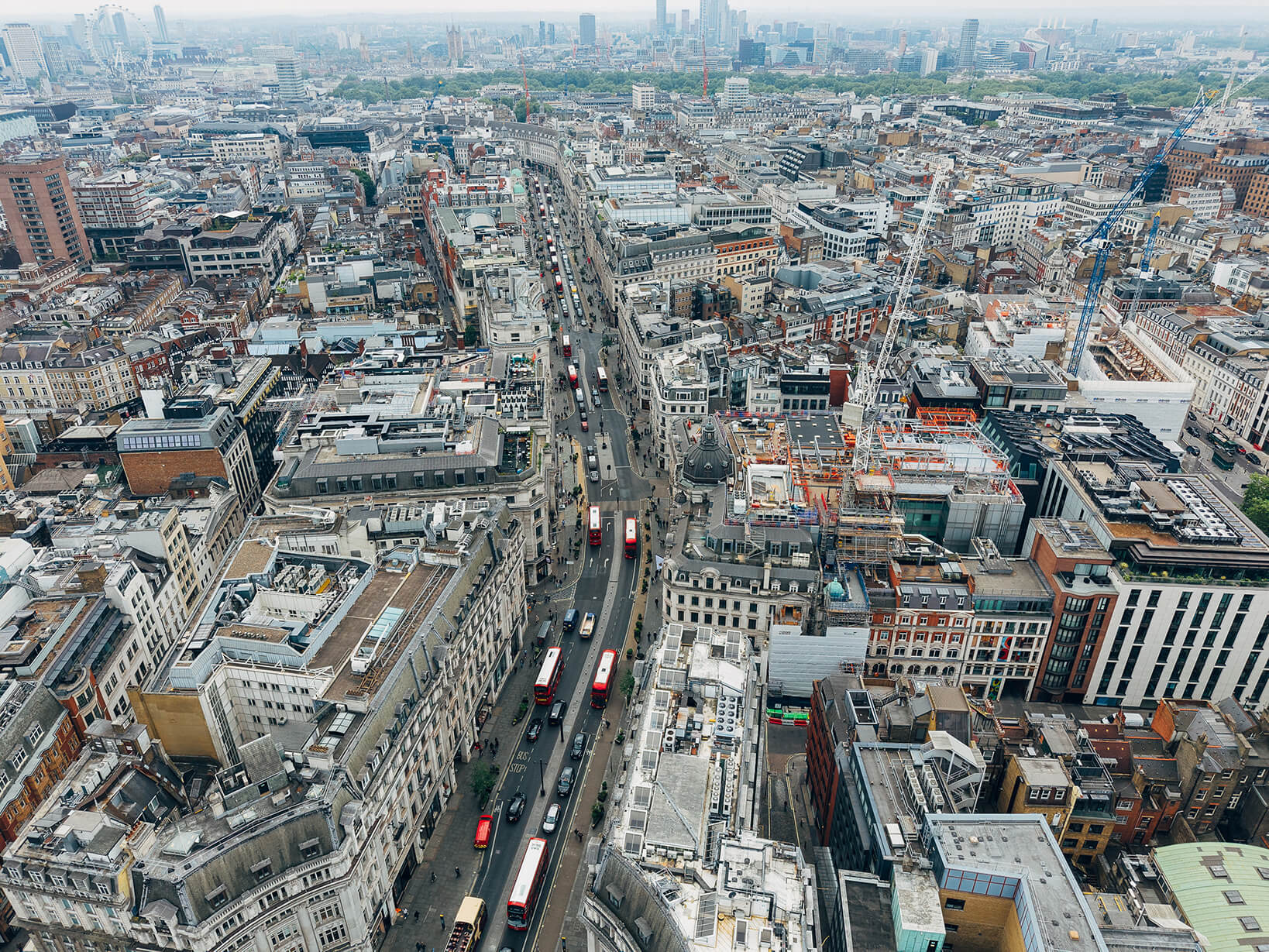
Arranging a crane lift in London involves more than selecting the correct machine and confirming a date.
When a crane, its outriggers or supporting vehicles need to occupy a public road or pavement, permission from the relevant highway authority may be required. Depending on the location and effect on traffic, this could involve a crane licence, road closure, parking suspension or temporary traffic-management measures.
Applying too late can delay the entire lifting operation, affecting crane availability, deliveries, labour and the wider construction programme.
This guide explains the main crane hire permits London contractors may need and why permissions should be considered at the earliest stage of lift planning.
When Does a Crane Need a Highway Licence?
A highway licence will usually be required when a mobile crane is positioned wholly or partly on a public road or pavement.
Permission may also be needed when:
- Crane outriggers extend onto the highway
- A load will be lifted to or from the public highway
- A crane oversails the highway
- Traffic lanes must be restricted or closed
- Pedestrians need to be diverted
- Parking bays must be kept clear
- Supporting vehicles or equipment will occupy the road
Transport for London states that mobile cranes operating wholly or partially on roads for which TfL is the highway authority must be authorised. Its crane licences can also apply where a crane remains on private land but lifts to or from the public highway.
Where the crane and the complete lifting operation remain within private land, a highway licence may not be necessary. However, site access, oversailing and the movement of the load must still be checked carefully.
Who Issues Crane Permits in London?
The correct authority depends on the road.
Transport for London manages the Transport for London Road Network, commonly known as London’s red routes. Crane activities on other roads will normally be managed by the relevant London borough or local highway authority.
Before making an application, contractors should confirm:
- Who controls the road?
- Where will the crane and its outriggers stand?
- Will any lane or pavement be restricted?
- Will the load pass over the public highway?
- Are parking bays, bus stops or loading areas affected?
Never assume that the local borough is responsible. Major routes may fall under TfL even when they pass through a borough-managed area.
Which Permissions Might Be Required?
The exact requirements will depend on the site, crane position and impact on the surrounding highway.
Mobile Crane Licence
A mobile crane licence in London may be required when a mobile crane or its outriggers will stand on the public highway.
Applications commonly require supporting information such as:
- Public liability insurance
- Risk Assessment and Method Statement
- Crane position or site drawing
- Proposed dates and operating times
- Details of the crane and outriggers
- Traffic and pedestrian-management arrangements
TfL’s current mobile crane application requires a public liability insurance certificate with at least £10 million of cover, RAMS and a site drawing. Other authorities may request different information.
Temporary Road Closure
A crane road closure in London may be needed when the lift cannot be completed while keeping the road safely open.
A closure may involve a Temporary Traffic Order, advance warning signs, diversion routes, barriers and coordination with other works or events.
Notice periods can be substantial. TfL currently requires a minimum of 16 weeks’ notice when a road closure forms part of a highway consent. The City of London requires applications for temporary road closures to be submitted at least 12 weeks before the proposed start date.
These periods are examples rather than universal London-wide deadlines. Requirements vary between authorities, so the responsible organisation should be contacted as early as possible.
Parking Suspension
A parking suspension for crane hire may be required to keep the crane position, delivery route or setup area clear.
Parking suspensions may affect:
- Resident bays
- Pay-and-display spaces
- Loading bays
- Disabled bays
- Motorcycle spaces
- Taxi ranks
The parking suspension does not necessarily replace the need for a crane licence or road closure. Several separate permissions may be required for one lifting operation.
Traffic Management
Crane traffic management may include lane restrictions, temporary traffic lights, stop-and-go control, pedestrian diversions or a complete closure.
A suitable plan should consider:
- Crane arrival and departure
- Outrigger deployment
- The lifting area
- Vehicle and pedestrian movements
- Deliveries to neighbouring properties
- Emergency access
- Bus routes and cycle lanes
In Westminster, for example, a Temporary Traffic Order is required when using a crane or similar equipment in the road or on the pavement, or when making a temporary road closure.
Oversail Permission
Oversailing occurs when a crane jib, boom or suspended load passes above land outside the site boundary.
Permission may be required from the highway authority when the crane oversails a public highway. Separate agreement may also be needed from private property owners where neighbouring land is affected.
TfL distinguishes between licences for lifting to or from the public highway and oversail licences for temporary structures operating above it.
What Happens if Applications Are Delayed?
Waiting until the crane has already been booked can create serious scheduling problems.
A delayed or rejected application may result in:
- Cancellation or rebooking charges
- Lost crane availability
- Delayed material deliveries
- Additional labour costs
- Disruption to neighbouring works
- Changes to the lifting method
- A postponed project milestone
Permit approval should therefore form part of the initial lift-planning process—not an administrative task left until the final week.
Can a Contract Lifting Company Manage the Process?
Under a contract lift, the crane provider takes responsibility for planning and carrying out the lifting operation within the agreed scope.
Emerson’s contract lifting service includes an Appointed Person, site inspection, lift plan, RAMS, crane selection and skilled lifting personnel. The team can also liaise with local authorities and highway services to arrange road closure permits, parking suspensions and traffic management.
This can be particularly valuable for mobile crane hire in London, where different authorities, notice periods and highway restrictions can make the planning process complex.
London Crane Hire Permit Checklist
Before confirming your lifting date, check:
- The correct highway authority has been identified.
- The crane position and outrigger footprint are agreed.
- Required licence applications have been submitted.
- Road-closure notice periods have been checked.
- Parking suspensions have been arranged.
- Traffic and pedestrian management is approved.
- Oversailing permissions have been confirmed.
- RAMS and site drawings are complete.
- Neighbours and affected businesses have been informed.
- The crane booking allows for the approved working hours.
Plan Your London Crane Lift With Emerson
Emerson Cranes provides professional crane hire and contract lifting services across London and the surrounding areas.
From site surveys and crane selection to lift planning, permits, parking suspensions and traffic management, the experienced Emerson team can help coordinate every stage of a complex lifting operation.
Call 020 8548 3900 to discuss your project and arrange a quotation.
