


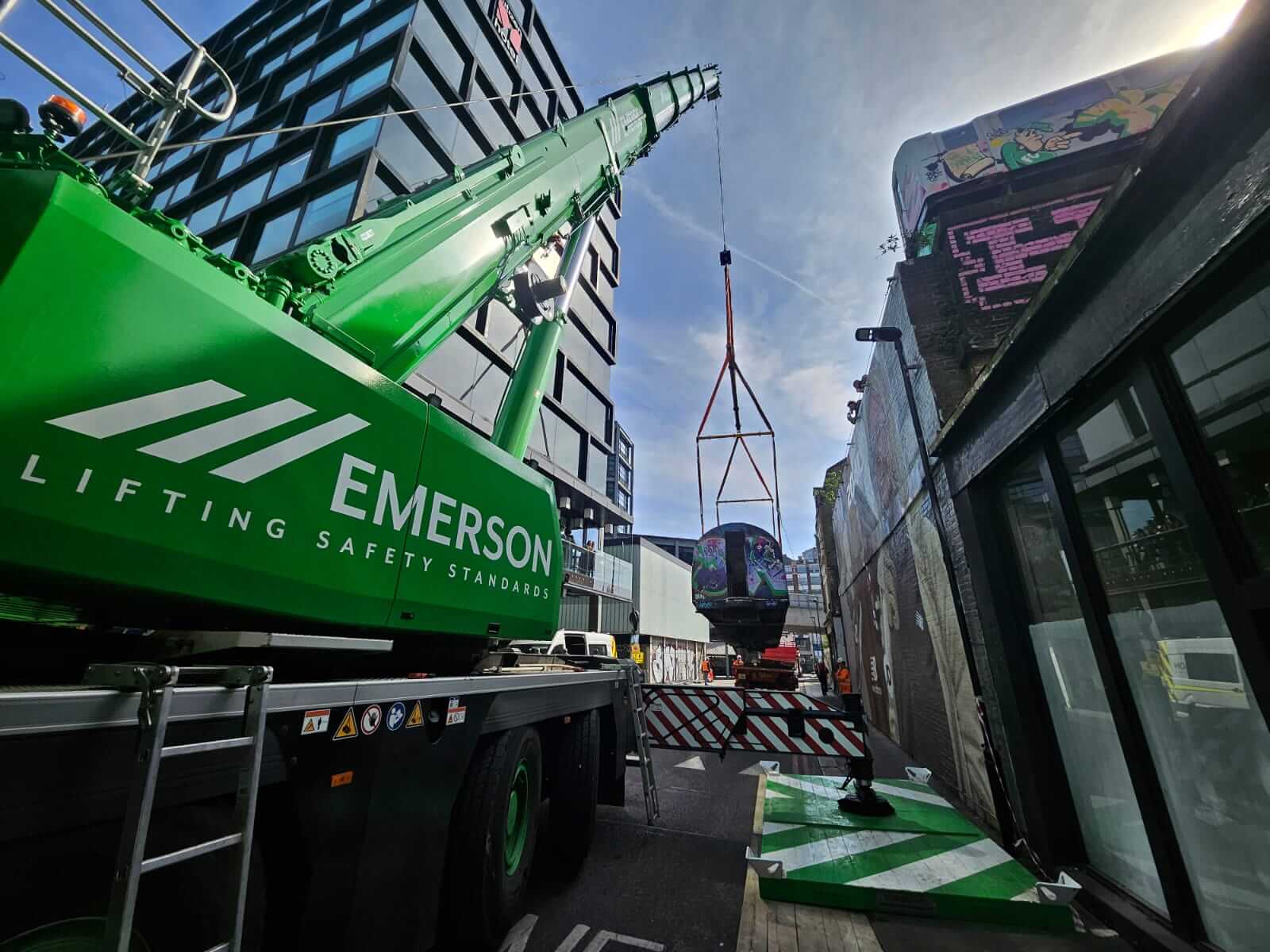
Large-scale lifting projects are rarely straightforward.
Even when a lift appears simple at the planning stage, the reality on site often involves multiple constraints, including access, ground conditions, lifting radius, and programme pressures.
Successful delivery depends on identifying these challenges early and selecting the right equipment, planning approach and lifting strategy.
This guide outlines the most common challenges in complex lifting operations and how they can be effectively managed.
1. Restricted site access
One of the most common challenges in large lifting projects is limited site access.
This is particularly relevant in:
- urban environments
- live construction sites
- infrastructure and commercial developments
Restricted access can impact:
- crane positioning
- delivery and mobilisation routes
- available working space
In these situations, crane selection becomes critical. Larger capacity cranes, such as our LTM1450 8.1 or the LTM1400 6.1, may be required where positioning is limited but reach and capacity must still be achieved.
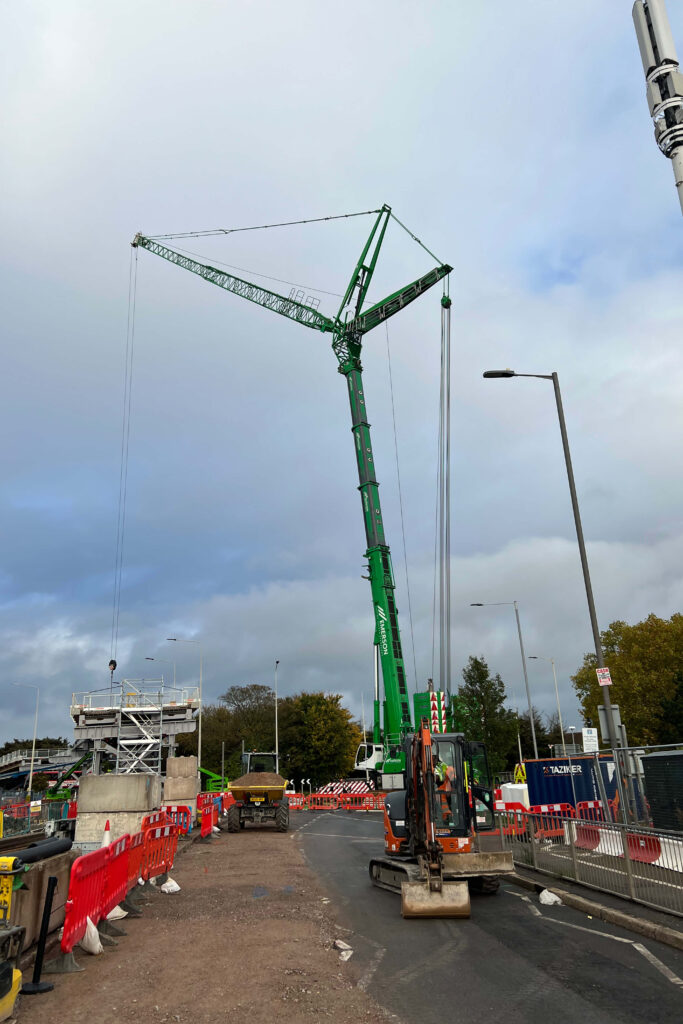
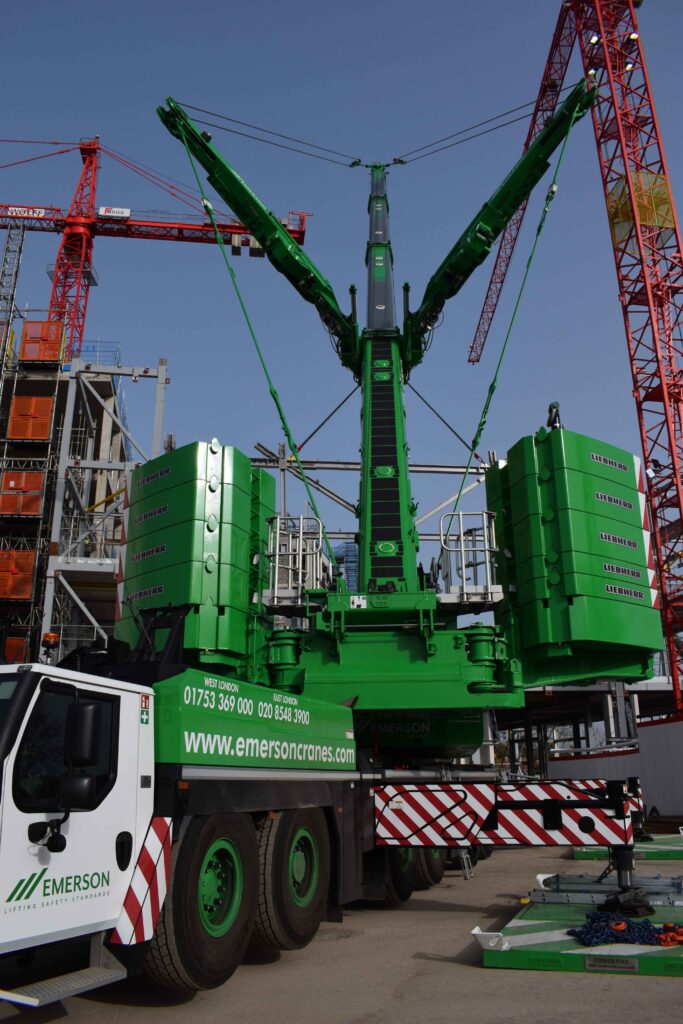
Early planning helps ensure the crane can be safely positioned without disrupting other site operations.
2. Lifting at extended radius
Lifting capacity is not determined by weight alone.
As the lifting radius increases, the effective capacity of a crane reduces significantly. This is one of the most important and often misunderstood factors in crane selection.
On larger projects, this can lead to:
- reassessment of crane size requirements
- changes in crane positioning
- increased importance of detailed lift planning
In some cases, upgrading from a mid-range crane to a higher capacity machine can improve efficiency and reduce the need for multiple lifts or repositioning.
3. Ground conditions and crane setup
Ground conditions play a critical role in safe lifting operations.
Every crane must be positioned on ground that can support both the machine and the load.
Key considerations include:
- ground bearing capacity
- underground services such as drainage or utilities
- requirement for crane mats or load distribution systems
Poor ground conditions can restrict crane positioning and increase the complexity of site preparation.
Early assessment ensures the correct mitigation measures are in place before work begins.
4. Programme constraints and site coordination
Large lifting projects often operate within strict programme timelines.
Crane operations may need to be coordinated around:
- other contractors on site
- restricted access or working hours
- delivery schedules
- traffic management requirements
Any delay in lifting operations can have a wider impact on the overall project programme, making coordination essential.
Clear communication between all stakeholders is key to maintaining efficiency on site.
5. Selecting the right crane for the job
Choosing the correct crane is one of the most important decisions in any lifting project.
It is not only about lifting capacity, but also about:
- reach and radius requirements
- site restrictions and access
- number of lifts required
- overall efficiency of the operation
For example, while a 300t class crane may suit certain initial requirements, many projects benefit from a higher capacity option such as a 400t or 450t crane, particularly where extended radius or complex positioning is involved.
This can reduce the number of lifts required and improve overall site efficiency.
6. Planning and lift coordination
Detailed lift planning is essential for safe and efficient execution.
This typically includes:
- lift plans
- risk assessments
- method statements
- site coordination and sequencing
For more complex projects, this stage ensures all risks are identified and managed before work begins on site.
Proper planning reduces uncertainty and helps ensure lifts are completed safely and efficiently.
7. Real-world example: managing complexity on a large lifting project
A recent example involved a complex commercial lift carried out using a LTM1450 8.1 on a restricted site.
The project required careful planning due to limited crane positioning options and extended lifting radius requirements. A smaller crane configuration would not have achieved the required reach efficiently, making the 450t crane the most suitable solution.
This type of project highlights how correct crane selection can significantly improve programme efficiency and reduce operational complexity.
Read the full 450t case study here
8. How to overcome these challenges
While large-scale lifting projects can be complex, most challenges can be effectively managed through early planning and the right technical support.
Key steps include:
- engaging a crane provider early in the project lifecycle
- providing accurate drawings and site information
- allowing time for detailed lift planning
- selecting crane capacity based on both load and radius
Working with an experienced lifting partner helps ensure potential issues are identified before they impact the programme.
Need support with a complex lifting project?
Every lifting project presents its own challenges, particularly on larger commercial and infrastructure sites.
Whether you are in early planning stages or preparing for an upcoming lift, our team can help assess requirements and recommend the most suitable lifting solution.
