


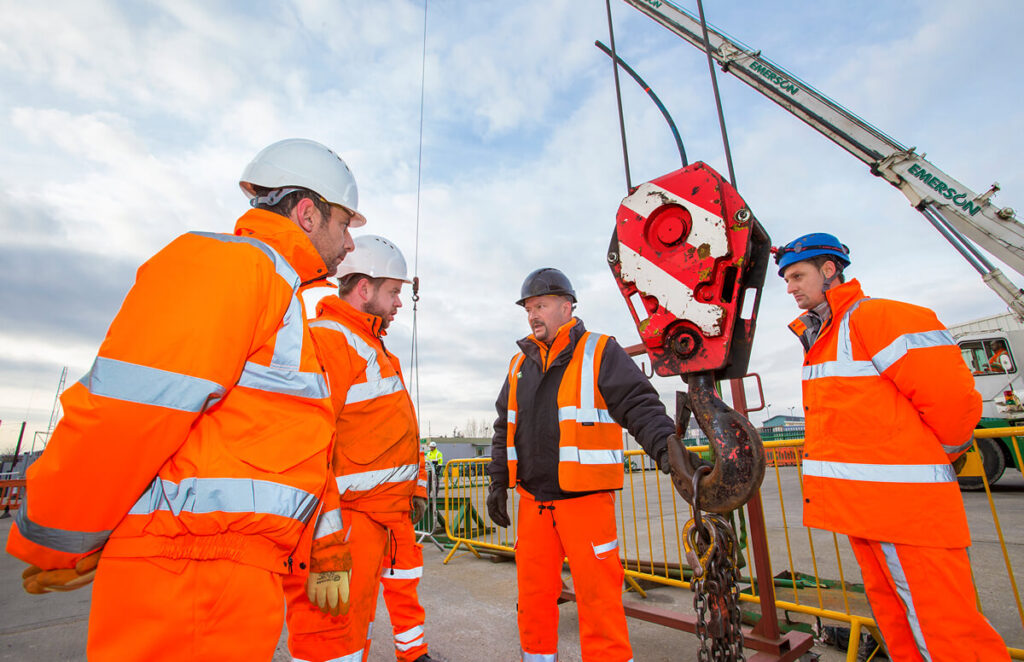
While cranes are often efficient for lifting operations, they’re not always the most practical or cost-effective option. In many situations, lift and shift services provide a smarter alternative.
Understanding the difference between the two and when each is most appropriate can save time, reduce costs, and improve on-site safety. Keep reading to find out which service would be best for your project.
What are Lift and Shift Services?
Lift and shift services help to move heavy loads at ground level or in confined spaces. Rather than lifting materials high into the air, this method involves repositioning machinery, equipment, or structures horizontally using specialist equipment such as:
- Machinery skates
- Hydraulic jacks
- Rollers
- Forklifts
- Compact lifting gantries
Lift and shift is typically used in factories, warehouses and commercial units where precision and access control are essential.
What is a Crane Lift?
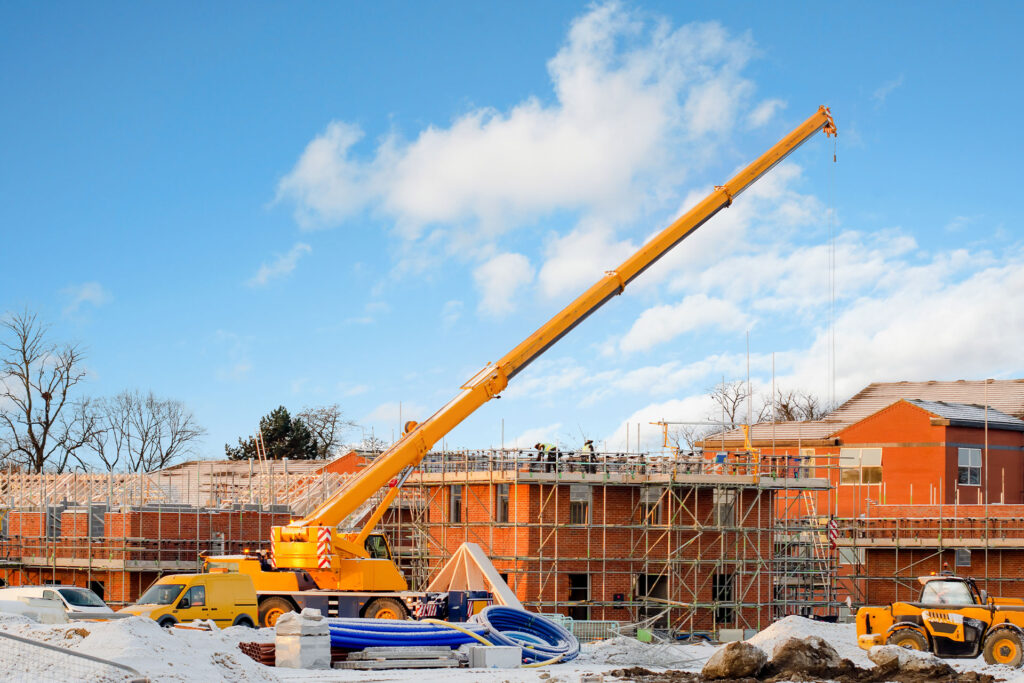
Crane hire involves using a tower, or specialist crane, to lift materials vertically and position them at height or across obstacles. Cranes are designed for:
- High-reach lifting
- Long-distance placement
- Heavy structural components
- Construction of multi-storey buildings
- Installing plant or equipment onto rooftops
They are ideal when you need vertical elevation or when obstacles prevent ground-level transport.
The Differences Between Crane Hire and Lift and Shift
1. Access Limitations
Crane Hire:
Cranes require sufficient space for their stabilising legs, counterweights and safe working distances. In city centres or tight industrial estates, access can be restricted. The ground must also be properly assessed to ensure it can safely take the crane’s weight.
Lift and Shift:
Where doorways, corridors or internal spaces restrict movement, lift and shift is often the more practical choice. Compact equipment allows skilled operatives to manoeuvre heavy items through narrow access points without dismantling large sections of a building.
If your site has height restrictions, overhead services, or limited exterior access, lift and shift may eliminate the need for complex cranes.
2. Type of Load
Crane Hire is typically suited to:
- Steel beams
- Precast concrete sections
- Roof trusses
- Large HVAC units
- Modular buildings
These loads often require vertical positioning or placement at height.
Lift and Shift Services are ideal for:
- CNC machinery
- Printing presses
- Generators
- Industrial tanks
- Production line equipment
These items are heavy but usually need to be moved carefully rather than lifted to a height. A lift and shift approach allows for steady, controlled movement, helping to reduce the risk of damage to sensitive equipment.
3. Precision and Control
While cranes provide impressive lifting capacity, fine positioning indoors can be challenging due to limited visibility and restricted movement once suspended.
Lift and shift operations allow for precise manoeuvring in tight spaces. Hydraulic jacks and skates help to position equipment accurately, which is especially important when aligning machinery with existing services or floor fixings.
4. Safety Considerations
Crane Operations require:
- Appointed persons and lift planning
- Risk assessments and method statements
- Exclusion zones
- Wind monitoring
- Ground condition surveys
Cranes involve suspended loads and height risks, which must be carefully managed.
Lift and Shift Projects focus more on:
- Load stability
- Floor load capacity
- Controlled movement paths
- Manual handling safety
- Pinch-point awareness
As loads remain closer to ground level, certain high-risk factors are reduced, though specialist expertise is still essential.
When Lift and Shift Is the Better Choice
You may benefit from lift and shift services instead of crane hire when:
- The load remains at ground level
- Internal relocation is required
- Site access is restricted
- Precision alignment is critical
- The cost of crane mobilisation outweighs the lifting requirement
- There is insufficient space for the crane setup
In many industrial relocation projects, lift and shift provides a more streamlined and cost-effective solution.
Choosing the Right Service for Your Project
The decision between crane hire and lift and shift services should be based on:
- Site constraints
- Load weight and dimensions
- Required lift height
- Ground conditions
- Budget and timeframe
- Safety risk profile
At Emerson Cranes, we can help you by carrying out a full site survey and developing a detailed lift plan to recommend the most suitable method for your project.
Hire With Emerson Today
Both crane hire and lift and shift services require specialist knowledge, trained personnel, and strict compliance with UK safety standards. Attempting to use the wrong method can increase costs, create delays, and cause risks.
If you’re unsure which solution fits your project, our expert team is here to help. Contact us today to get started with your project.
