


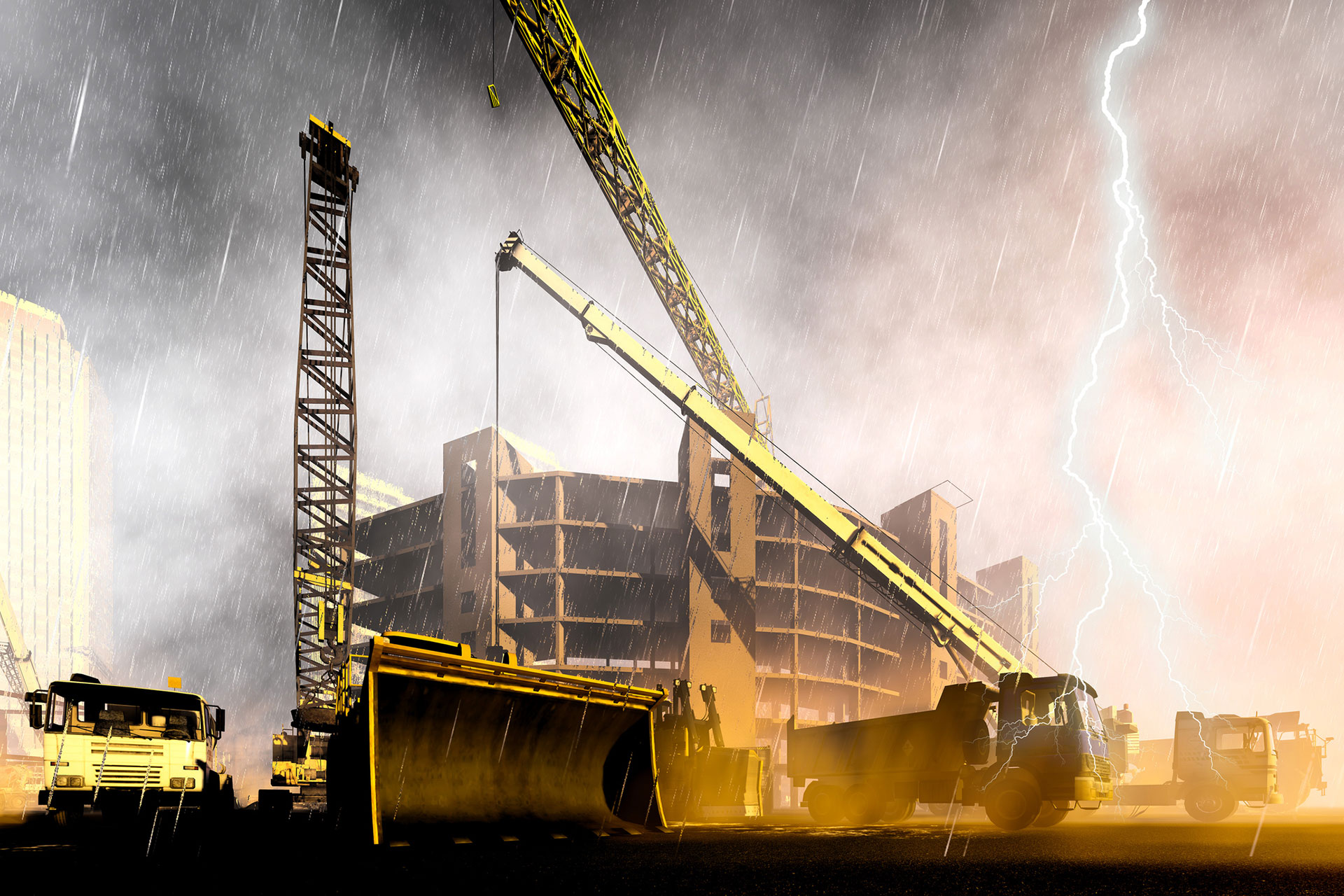
The British weather can be unpredictable, and construction projects cannot simply stop every time it rains or the wind begins to pick up. However, when cranes are involved, changing weather conditions need to be taken seriously.
Strong winds can have a significant effect on both the crane and the load being lifted. But exactly how windy is too windy to operate a crane?
If you’re searching for the crane wind speed limit in the UK, the important thing to understand is that there isn’t one universal wind speed that applies to every crane and every lifting operation.
The safe limit depends on the crane, its configuration, the load being lifted, its surface area and the conditions on site.
Is There a Legal Crane Wind Speed Limit in the UK?
There is no single UK legal wind speed at which every crane must automatically stop operating.
Under the Lifting Operations and Lifting Equipment Regulations 1998 (LOLER), lifting operations must be properly planned, appropriately supervised and carried out safely.
The HSE’s LOLER guidance specifically states that lifting equipment being used outdoors should be stopped when meteorological conditions deteriorate to a point where they could affect the integrity of the equipment or expose people to danger.
Crane manufacturers also provide maximum permissible in-service wind speeds for their equipment. However, the manufacturer’s maximum doesn’t necessarily represent the safe limit for every lift.
The lift plan may set a substantially lower limit depending on the load and circumstances.
How Much Wind Can a Crane Operate In?
It depends on the lifting operation.
Different cranes have different operating limits, while the characteristics of the load can significantly reduce the permissible wind speed.
The Construction Plant-hire Association’s current guidance on planning lifting operations in wind highlights the importance of assessing both the crane and the wind surface area of the load.
For anyone arranging crane hire, this is why providing accurate information about what needs to be lifted is essential.
Weight alone isn’t enough to determine whether a lifting operation can proceed safely.
Why Does the Load Affect Safe Wind Speed?
Imagine lifting a compact piece of machinery and then lifting a large lightweight panel.
The machinery may weigh considerably more, but the panel presents a much larger surface area to the wind.
This is sometimes referred to as the load’s sail area or wind area.
Loads particularly susceptible to wind can include:
- Cladding and roofing panels
- Glass
- Shutters and formwork
- Containers
- Prefabricated building sections
- Signage
- Modular buildings
- Long or unusually shaped materials
A strong gust can cause a large load to swing or rotate unexpectedly, making it much more difficult to control.
The safe wind speed may therefore need to be reduced when lifting loads with large surface areas.
Why Are Wind Gusts So Important?
Average wind speed only tells part of the story.
Gusts can be considerably stronger than the average wind recorded at ground level, which is why conditions need to be monitored throughout the lifting operation.
Wind can also behave differently at height.
A site may feel relatively sheltered at ground level while an extended crane boom or elevated load is exposed to much stronger conditions.
Buildings and structures can also create turbulence, causing wind direction and strength to change unexpectedly.
How Is Wind Monitored During a Crane Lift?
Cranes may be equipped with anemometers to measure wind speed, but monitoring equipment is only one part of safe lift planning.
Before and during a lift, the team may consider:
- Weather forecasts
- Current and forecast gust speeds
- Manufacturer operating limits
- Crane configuration
- Boom length and lift height
- Load weight
- Load dimensions and surface area
- Wind direction
- Surrounding buildings
- Changes in weather conditions
For a contract lift, Emerson provides the appointed person, lifting plan, risk assessments, crane supervisor, crane operator and slinger/signaller required to plan and carry out the operation.
Weather-related risks can therefore be considered as part of the wider lifting plan rather than being left to a decision on the day.
Can Cranes Operate in Rain?
Rain doesn’t automatically prevent a crane from operating.
However, prolonged or heavy rainfall can create additional risks, particularly around ground conditions.
Mobile cranes rely on suitable ground to support substantial loads through their outriggers or tracks. Heavy rain can soften or waterlog previously stable ground and potentially affect its bearing capacity.
Rain can also:
- Reduce visibility
- Make surfaces slippery
- Affect load handling
- Make communication more difficult
Ground conditions should therefore be assessed as part of the lift planning process, particularly following prolonged wet weather.
Emerson’s range of mobile cranes covers lifting requirements from smaller projects through to major construction and infrastructure work, but suitable positioning and ground conditions remain essential whatever crane is selected.
What About Thunderstorms, Fog and Poor Visibility?
Wind isn’t the only weather condition that can stop a lift.
Lightning can create serious risks around tall metal structures such as cranes, while fog, heavy rain or snow can reduce visibility to the point where a load and surrounding hazards can no longer be monitored safely.
Safe lifting relies on clear communication between the operator, slinger/signaller, supervisor and other members of the lifting team.
If weather conditions mean the operation can no longer be controlled safely, work should be suspended.
Who Decides When a Crane Lift Should Stop?
A properly planned lift shouldn’t rely on somebody making a last-minute judgement once conditions become dangerous.
Weather limits and controls should be considered during the planning process.
The appointed person is responsible for planning the lifting operation, while the crane supervisor oversees the lift on site. The crane operator also has an important role and should never continue operating if conditions have become unsafe.
If conditions exceed the limits specified within the lift plan or manufacturer guidance, the lifting operation should stop.
Planning a Crane Lift in Bad Weather
Weather delays cannot always be avoided, but good planning can reduce disruption.
Before a lift:
- Check forecasts in advance.
- Provide accurate load weights and dimensions.
- Assess wind exposure and surrounding buildings.
- Consider recent rainfall and ground conditions.
- Build flexibility into weather-sensitive programmes.
- Make sure the lifting operation is properly planned.
Working with an experienced crane company is particularly important where loads are large, unusual or especially vulnerable to wind.
Safe Crane Hire with Emerson Cranes
So, what is the crane wind speed limit in the UK?
There isn’t one number that can safely be applied to every lifting operation. The permissible wind speed depends on the crane, manufacturer guidance, configuration, site conditions and – crucially – the size, shape and wind resistance of the load.
Emerson Cranes provides crane hire and contract lifting services across London, Essex and surrounding areas, with a fleet covering mobile, crawler, mobile tower and specialist cranes.
If you have an upcoming lift and are concerned about weather conditions, access or the characteristics of your load, contact Emerson Cranes to discuss the safest and most appropriate lifting solution.
